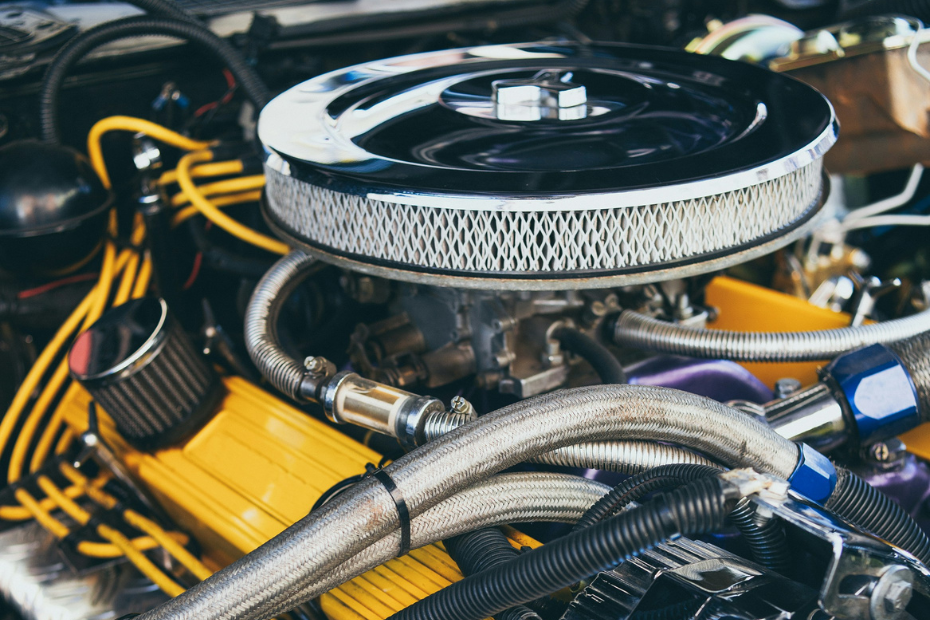
You can improve car performance with a mix of smart maintenance and targeted upgrades that match your goals. To start, you should schedule regular servicing and invest in quality tires and proper fluids. These simple actions will boost power, responsiveness, and fuel efficiency more reliably than chasing expensive mods.
If you want sharper acceleration or handling, this article guides you through practical upgrades for engine breathing, exhaust, and suspension, plus how tire choice and alignment transform control. These steps will help you decide which improvements deliver the best value for your driving style.
Essential Upgrades for Enhanced Power
To enhance your vehicle’s power, focus on changes that increase airflow, optimize fuel and ignition timing, and reduce backpressure. If you have to spend money, choose upgrades that match your engine type, budget, and intended use.
Engine Tuning Options
Engine tuning adjusts fuel, ignition, and boost (if applicable) to extract more power and responsiveness from your engine. For naturally aspirated engines, a custom ECU (engine control unit) map can raise power by refining ignition timing, air/fuel ratio, and throttle response. Alternatively, for turbo or supercharged engines, a tune can increase boost safely while protecting against knock.
It’s recommended that you use a professional dyno tune when possible. It validates gains and ensures safe air/fuel and timing under load. You can consider handheld programmers for off-the-shelf maps as a lower-cost step, but there will be less precision. Before aggressive tuning, always address fueling and cooling. This is because insufficient injectors, pump, or intercooling can cause damage. And, to realize full benefits after hardware changes (e.g. intake, exhaust, turbo upgrades) retune the vehicle.
High-Performance Air Intake Systems
A high-performance intake can improve airflow to the engine and can sharpen throttle response. Options range from high-flow replacement filters to complete cold-air intake systems that relocate the filter away from engine heat and use larger-diameter tubing for smoother flow.
Remember that you must choose a design that fits your vehicle and driving goals. Short ram intakes offer compact packaging and slightly better response, while cold-air intakes deliver cooler, denser air for modest horsepower gains. Car specialists recommend using washable oiled or dry high-flow filters from reputable brands and ensuring the intake seals well to avoid ingesting hot under hood air. You should also check for intake-air temperature (IAT) effects and retune if you add a significantly different intake.
Exhaust System Modifications
When you reduce exhaust backpressure, it unlocks power and improves torque across the rev range. Start with a high-flow catalytic converter (or high-flow cat-back system where legal), then consider larger-diameter mid-pipes and a free-flowing muffler. Header upgrades (long-tube vs shorty) will change scavenging characteristics and can yield strong gains on naturally aspirated and turbo engines.
It’s also important to match pipe diameter to engine displacement and power goals. If the pipe is too large, it will hurt low-end torque, and if it is too small it will create restriction. When making changes, keep emissions regulations and noise limits in mind. This is because catalytic converter changes may be illegal in some areas. After exhaust upgrades, update your tune to optimize timing and fueling for the new flow characteristics.
Optimizing Handling and Control
When you want to optimize handling and control, focus on precise suspension settings, strong and fade-resistant brakes, and tires matched to your driving conditions. Small, targeted changes to these systems produce the biggest gains in cornering stability, braking consistency, and steering response.
Suspension Adjustments
For suspension adjustments, adjust spring rate, damping, and alignment to match your driving style and vehicle weight. You can increase front spring rate to reduce dive under heavy braking. If you feel snap-oversteer in the car, soften rear springs slightly. To reduce body roll, use stiffer anti-roll bars, but balance the front and rear to avoid inducing understeer or oversteer.
Another tip to improve car performance is to set damping (shock absorber) rebound slower if the car bounces after compression and increase compression damping for better roll control on aggressive cornering. Lowering the car reduces center of gravity, but keep at least 30–35 mm of suspension travel to avoid harsh bottoming.
Alignment settings matter more than most people expect:
- Camber: -1.0° to -2.0° front for improved corner grip on performance tires.
- Toe: slight toe-out front for turn-in responsiveness; minimal toe-in rear for stability.
- Caster: increase positive caster for better straight-line return of the steering wheel.
Upgrading Braking Components
To upgrade braking components, start with high-temperature brake pads matched to your driving. Purchase ceramic for street use and use track compounds for repeated hard stops. Replace worn or thin rotors and consider slotted or drilled rotors to improve gas and water evacuation under heavy use.
Upgrading to stainless steel braided brake lines will remove squeeze from rubber lines and deliver firmer pedal feel. It is recommended that you use a higher boiling-point brake fluid (DOT 4 or DOT 5.1) and flush every 1–2 years if you track the car. For significant performance needs, consider larger calipers or multi-piston systems and properly sized rotors to increase clamping force and heat capacity.
Maintenance checklist:
- Pad thickness > 3 mm
- Rotor runout < 0.05 mm
- Brake fluid boiling point suited to use
- Choosing the Right Tires
Pick tyres based on temperature range, compound, and construction that suit your primary use. For spirited street driving choose ultra-high-performance summer tyres with a softer compound and stiffer sidewall for sharper steering. For occasional track days, opt for max-performance tyres that trade tread life for grip.
You should match tyre size and aspect ratio to preserve correct rolling diameter and speedometer accuracy. Monitor and set correct cold tire pressures: typically 30–36 psi for passenger performance cars, adjusted ±2 psi based on load and temperature. You must check tread depth and replace at <3 mm for wet-weather safety.
Quick tire selection table:
- Street comfort: all-season performance — moderate grip, long life
- Performance street: UHP summer — high grip, reduced wet performance
- Track: semi-slick or track compound — maximum grip, short life
Photo: Markus Spiske via Unsplash
